
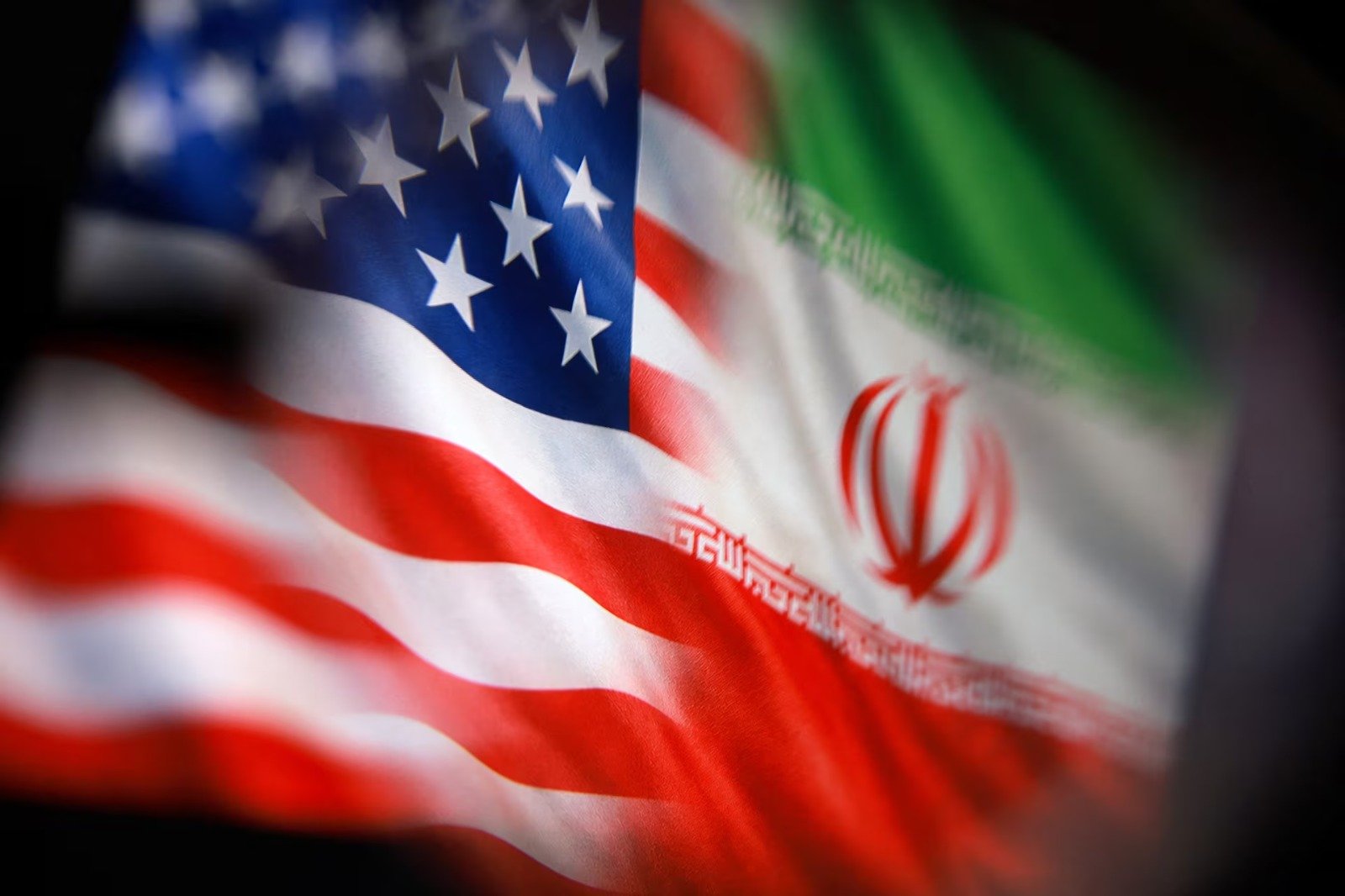
The issue of frozen Iranian assets has become a major subject of political debate in Washington, particularly following recent developments related to agreements reached between the two sides.
This matter has generated significant tension between the current U.S. administration and Republican opposition leaders, as concerns continue to grow over the possibility that these released funds could be used to alter the balance of power in the Middle East. According to media reports, opinions in the United States remain divided between honoring diplomatic understandings and issuing stern warnings about the security consequences of revitalizing Iran’s treasury.
The roots of the frozen-assets dispute stretch back more than four decades, specifically to 1979, following the Iranian Revolution and the subsequent U.S. hostage crisis in Tehran. Since then, the United States has imposed strict financial restrictions on Iranian assets as a tool of political and economic pressure.
Over the years, the issue has remained complex and closely tied to periods of tension and rapprochement between the two countries. Today, it has once again emerged as a key negotiating card and a source of intense controversy.
Economic data based on various media reports indicate significant discrepancies in estimates of the value of Iran’s frozen assets.
Available figures suggest that Iranian funds frozen within the United States amount to approximately $2 billion.
Outside the United States, however, the numbers are substantially larger. Iranian assets frozen in different countries around the world are estimated to range between $24 billion and $100 billion, helping to explain Tehran’s persistent efforts to gain access to them.
The primary concern in Washington revolves around the ultimate destination of these billions if they are released. This anxiety is driven by three main factors.
Foremost among these concerns is the possibility that the funds could be used to finance and accelerate Iran’s nuclear program. U.S. political and military circles also fear that such a massive influx of capital could strengthen Iran’s regional influence, support its allied groups across the Middle East, and enhance its own military capabilities.
Discover more from المنتدى الدولى للصحافة والإعلام
Subscribe to get the latest posts sent to your email.