
Global news agencies place their credibility on the line when publishing reports that affect the economic foundations of major nations. This explains the behind-the-scenes reasons for Reuters’ swift and notable retraction and denial of a report that had sparked widespread controversy just hours earlier.
The real danger of such reports lies in their timing and the sensitivity of their subject matter before an official denial is issued. International media platforms are now required to exercise rigorous verification to prevent deliberate harm to financial markets, making a rapid correction inevitable once the negative consequences of publishing unverified information become apparent.
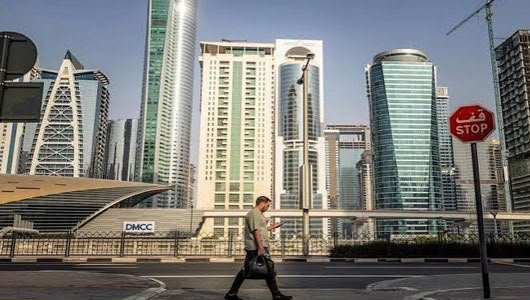
The selection of the United Arab Emirates in such reports was not coincidental. Rather, it stems from several strategic factors that have made the country a constant target of rumors, foremost among them its prominence as a financial hub and the leading investment destination for multinational corporations and future industries in the Middle East. This ensures exceptionally high global readership and attention for any news concerning the UAE.
The country’s remarkable economic achievements, resilience in the face of crises, expansion into major economic blocs, and the formation of comprehensive partnership agreements with various global powers have also placed it continuously under the spotlight and at the center of international media attention and attempts to exert pressure through the economic gateway.
These rumors and misleading reports are quickly reflected in reality by creating immediate repercussions in the markets. Local and regional stock exchanges are instantly affected, potentially prompting some investors to engage in panic selling driven by unfounded fears. Moreover, the dissemination of inaccurate information aims to undermine the trust that distinguishes the UAE’s investment environment and upon which major global sovereign wealth funds rely when making decisions. It may also affect energy markets, trade, and international supply chains due to the pivotal role played by the country’s ports and strategic corridors.
In contrast, according to Maat Group, the UAE’s swift and decisive official response demonstrated a strategic understanding of the mechanisms of modern information warfare. The country acted wisely by issuing a categorical denial supported by official facts and data, compelling the international news agency to reassess its position and immediately retract the report to avoid legal consequences or the loss of credibility.
This deliberate and well-considered response not only protected the domestic markets but also fully restored confidence among foreign investors. It sent a decisive message to the international community that the stability of the UAE’s economy and financial market is a red line that cannot be undermined by a passing report or misleading information.
Discover more from المنتدى الدولى للصحافة والإعلام
Subscribe to get the latest posts sent to your email.