
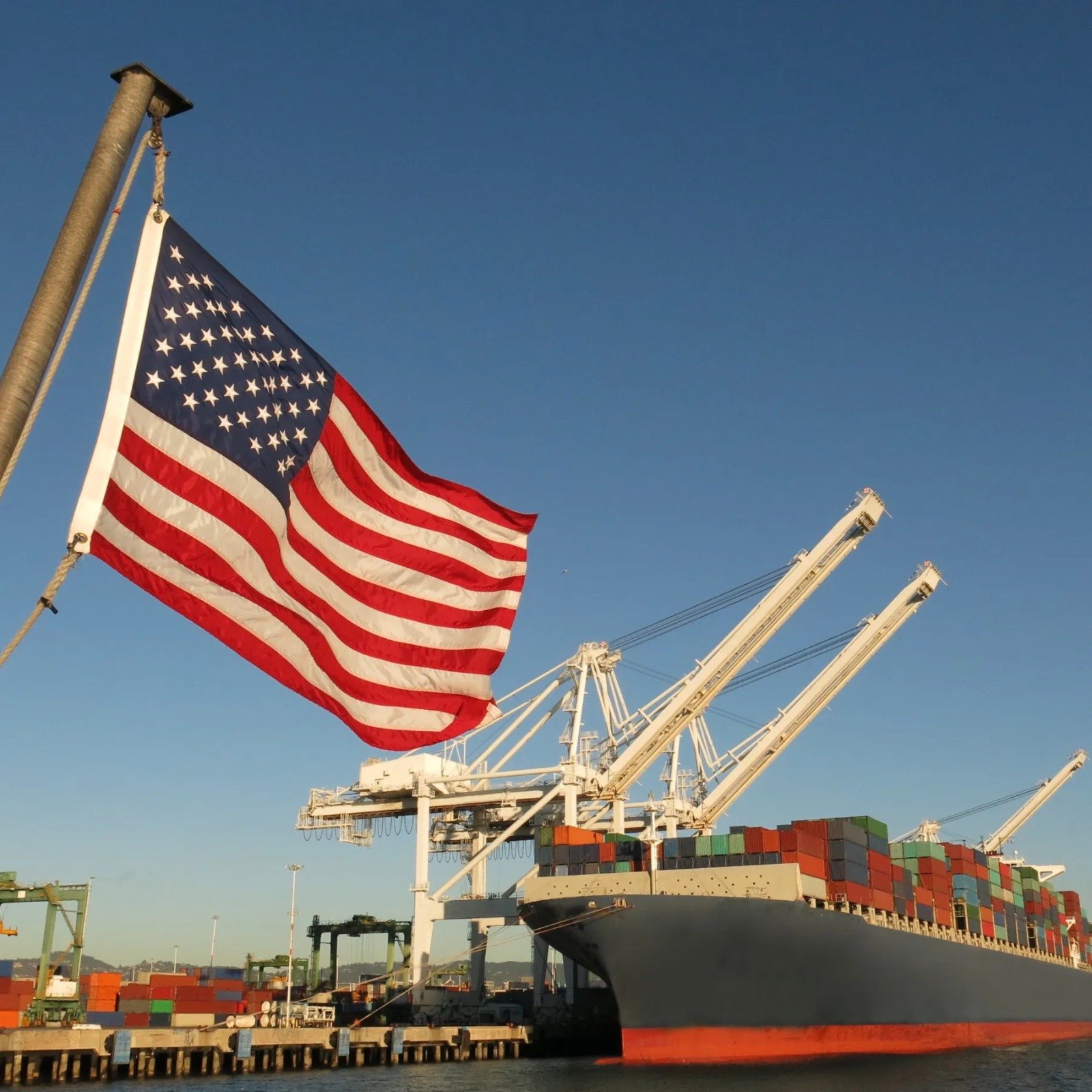
The U.S. goods trade deficit widened sharply in May as businesses increased imports to avoid shortages and rising prices linked to the conflict in the Middle East, a development that could prompt economists to lower their second-quarter GDP forecasts.
According to official data released by the U.S. Census Bureau, as reported by Maat Group, the U.S. goods trade deficit increased by 27.4% in May 2026. The sharp expansion was driven by a surge in imports, which rose by approximately $10.9 billion, alongside a decline in exports, which fell by $11.8 billion.
Despite the significant trade pressures caused by the Middle East crisis on import and export activity, the projected economic growth rate remained steady at 2.5%, while economists continue to assess the potential impact of these figures on the performance of the U.S. economy in the coming months.
According to Maat, economists believe that this substantial increase in the trade deficit reflects growing concern across U.S. business sectors. Ongoing tensions in the Middle East have prompted companies to adopt precautionary measures by increasing shipments and building inventories in advance, fearing further disruptions to global supply chains or additional spikes in maritime and air freight costs. As a result, the U.S. goods trade balance came under dual pressure from rising import costs and weakening export performance during the period.
Discover more from المنتدى الدولى للصحافة والإعلام
Subscribe to get the latest posts sent to your email.