
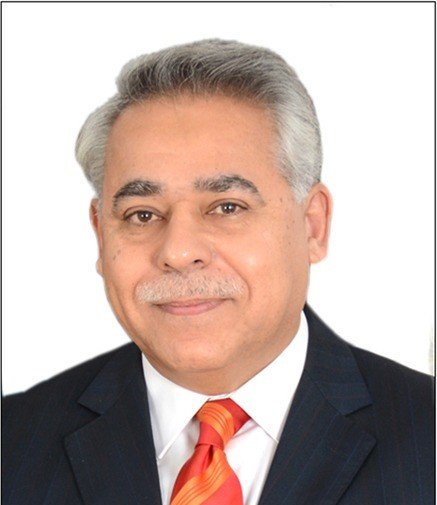
 Dr. Essam Al-Barram
The world today is experiencing profound and rapid transformations that have affected various aspects of life, foremost among them the field of التربية والتعليم (education and teaching), which is considered the cornerstone in building the human being and shaping the features of the future. Amid these transformations, the concept of cultural awareness emerges as one of the fundamental pillars for reforming the educational system, not as an intellectual luxury or an elitist discourse, but as a civilizational necessity imposed by the challenges of the age. The school is no longer merely a space for transmitting knowledge and memorizing information; rather, it has become a field for shaping awareness, building character, and strengthening the values that enable the individual to interact positively with their society and with the world.
Cultural awareness, in its essence, is the individual’s perception of their cultural, social, and historical environment, and their understanding of the system of values and meanings that govern their behavior and the behavior of others. It is an awareness that goes beyond superficial knowledge of customs and traditions to a deep understanding of identity and belonging, an appreciation of cultural diversity, and respect for difference. When this awareness permeates the educational system, it redirects its objectives from merely preparing a workforce for the labor market to preparing an aware and responsible citizen capable of critical thinking and active participation in building their society.
Reforming the educational system cannot be achieved solely through changing curricula or updating pedagogical methods, despite their importance; rather, it requires a comprehensive cultural vision that defines the type of human being we seek to form. A school that lacks a clear cultural project turns into a technical institution that operates without spirit, producing individuals who hold certificates but lack a moral compass. Hence, the importance of cultural awareness is confirmed in guiding educational policies toward consolidating the values of citizenship, dialogue, tolerance, teamwork, and pride in national identity within a balanced openness to other cultures.
One of the manifestations of dysfunction in some of our educational systems is the separation between knowledge and life, where the learner receives a vast amount of information without realizing its connection to their cultural and social context. Cultural awareness is capable of bridging this gap because it links learning to the learner’s reality and makes knowledge a tool for understanding the self and society. When the student studies their history while aware of its importance in shaping their identity, or learns a language while conscious of its role in civilizational communication, they engage with learning as a life experience rather than merely a school obligation.
Cultural awareness also contributes to strengthening critical thinking, which is a fundamental pillar of any genuine educational reform. A culturally aware learner does not merely receive information but questions it, analyzes it, and places it within its context. This pattern of thinking liberates the mind from closure and dependency, opening horizons for creativity and innovation. In an era where information flows endlessly through digital media, it becomes essential for the learner to possess cultural tools that enable them to distinguish between what is valuable and what is trivial, and to protect themselves from intellectual extremism or cultural alienation.
The role of cultural awareness is not limited to learners alone; it also includes teachers, administrators, and decision-makers. A teacher who possesses deep cultural awareness realizes that their mission goes beyond explaining lessons to building the human being, and thus strives to be a role model in behavior and discourse, and to open within the classroom a space for dialogue and respect for differing opinions. Likewise, the culturally aware educational decision-maker formulates educational policies in harmony with the particularities and aspirations of society, without isolating themselves from successful global experiences.
Educational reform grounded in cultural awareness also requires restoring the value of the humanities and arts subjects, which are often regarded as secondary. Literature, philosophy, history, and the arts are not luxuries; rather, they are fields that nourish critical and aesthetic sensibilities and deepen the human being’s understanding of themselves and others. Through these subjects, the learner learns to express their ideas and feelings, respect diversity, and appreciate creativity. Without this cultural dimension, education remains incapable of fulfilling its comprehensive mission.
In the context of globalization, the role of cultural awareness grows in achieving a balance between authenticity and modernity. Openness to the world is an unavoidable necessity, yet it may turn into dissolution within other cultures if it is not founded upon a firm awareness of identity. Today, the school is required to raise the younger generations to take pride in their language, heritage, and values, while at the same time encouraging them to learn foreign languages and open up to universal knowledge. This balance can only be achieved through a clear cultural vision that makes identity a starting point for dialogue rather than a barrier to it.
Cultural awareness also contributes to consolidating the values of active citizenship, as it instills in the learner a sense of responsibility toward their society, strengthens their spirit of initiative and voluntary work, and fosters respect for the law. When the individual realizes that their cultural belonging is not merely a slogan but a responsibility that requires contributing to the public good, the school becomes a nursery for preparing generations capable of leading positive change.
The challenges facing the educational system, from low performance to the spread of certain negative behaviors within the school space, cannot be addressed by technical solutions alone. At their core, they reflect a crisis of awareness and values. Therefore, investing in the development of cultural awareness, through curricula, extracurricular activities, and continuous training for educational staff, represents a strategic step toward sustainable reform.
Thus, it can be said that cultural awareness is not an isolated theoretical concept; rather, it is a spirit that flows through the body of the educational system, granting it meaning and direction. Any reform project that does not make the formation of the culturally aware human being its central goal remains incomplete, regardless of its level of technical advancement. The school we aspire to is one that graduates a generation imbued with its values, open to its era, capable of thinking and creating, and responsible for its choices. Only then can education perform its true role in shaping a more balanced, just, and prosperous future.
Moreover, consolidating cultural awareness within the educational system is not limited to academic content alone; it also requires creating a vibrant school environment in which culture interacts with daily practice. Cultural activities within schools, such as seminars, literary readings, art exhibitions, and school theater, represent genuine spaces for embodying cultural values and transforming them from theoretical concepts into lived experiences. Through these activities, the learner acquires skills of expression, dialogue, and teamwork, and learns to respect others’ opinions and appreciate creativity — all of which are essential elements in building a balanced and aware personality.
Likewise, the family, the media, and civil society institutions play a complementary role in strengthening this awareness, as the school alone cannot undertake this mission. When efforts are integrated among the various actors in society, the educational project becomes more capable of influence and continuity. A child who grows up in an environment that respects culture, values knowledge, and celebrates reading and art becomes more prepared to interact positively with the school and to benefit from the opportunities it offers for learning and growth.
From this perspective, it becomes clear that cultural awareness represents a fundamental pillar of any genuine educational reform, as it contributes to building a human being capable of understanding themselves, their society, and the world around them. Education that succeeds in instilling this awareness does not merely prepare academically successful learners; rather, it contributes to preparing active citizens who carry a broad human vision and possess the ability to contribute to the renaissance of their societies and to face future challenges with confidence and responsibility.
Discover more from المنتدى الدولى للصحافة والإعلام
Subscribe to get the latest posts sent to your email.