 Dr. Hany Khater – President of Global Forum for Journalism and Media (GFJM)
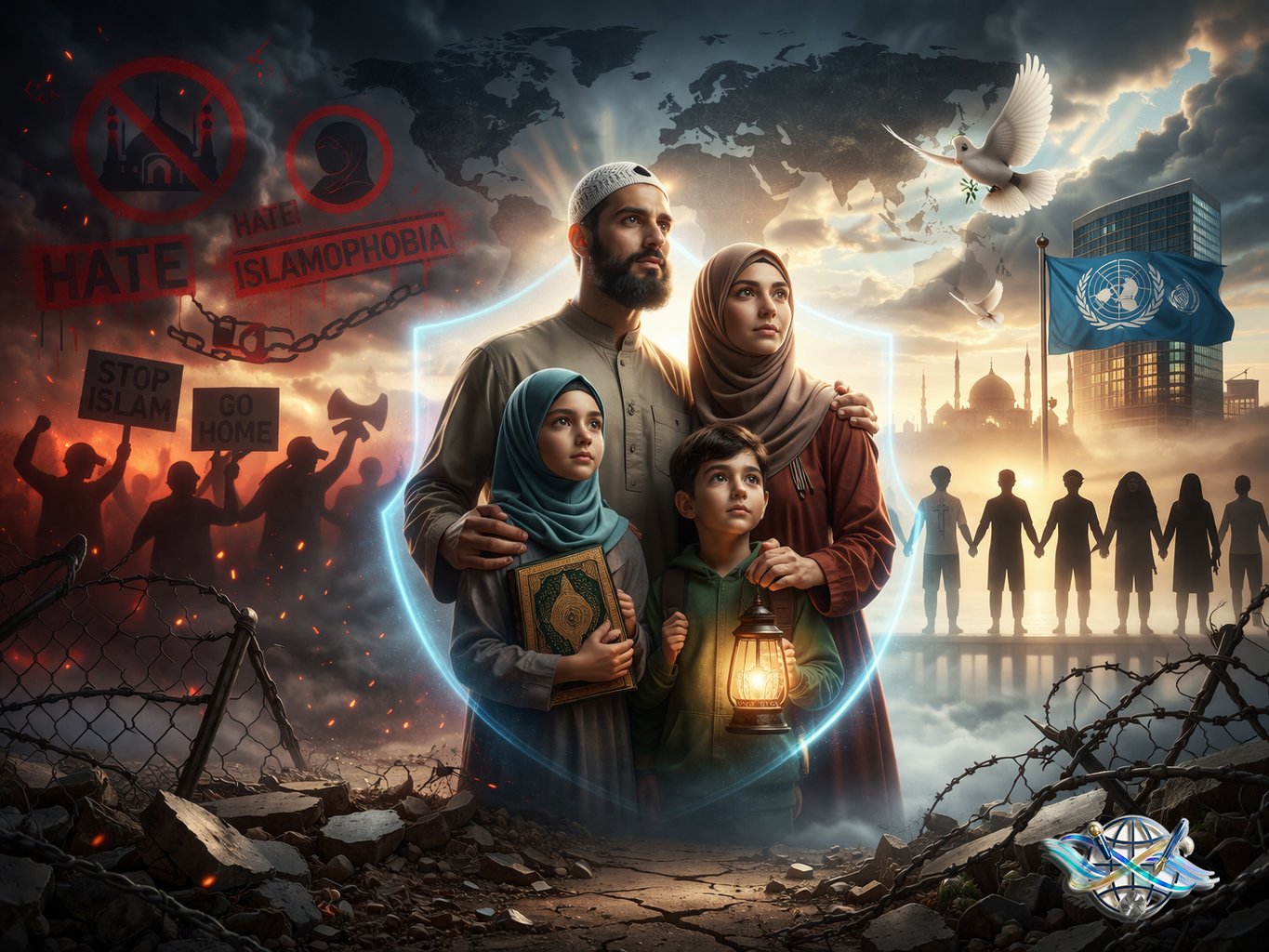
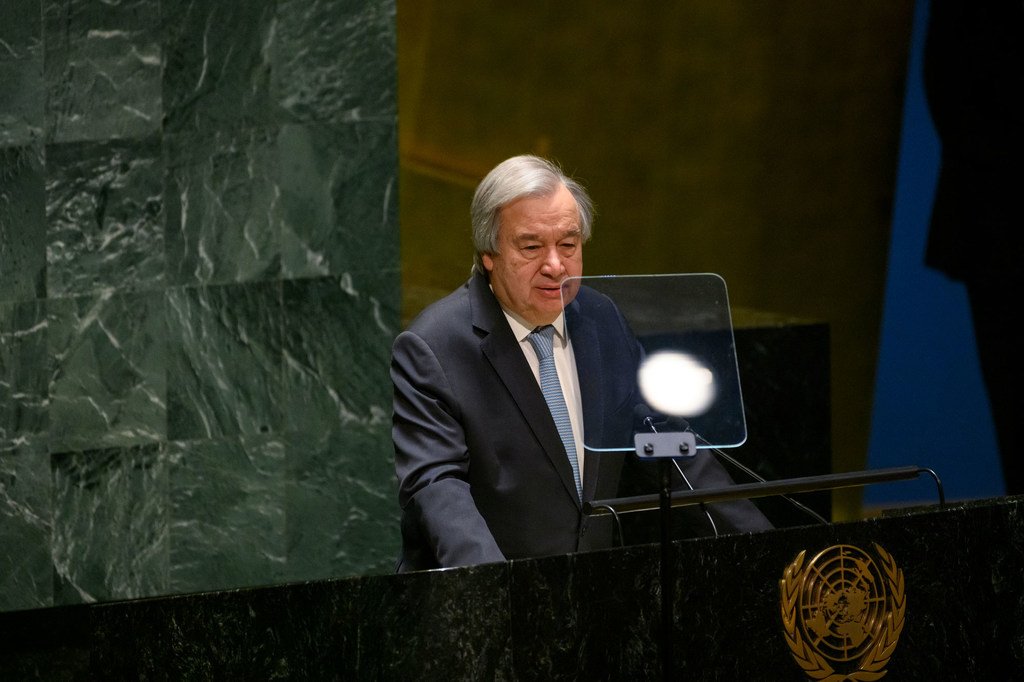
Amid escalating global risks and social divisions, Islamophobia has emerged as one of the most pressing challenges facing Muslim communities worldwide. Today, at a high-level event marking the International Day to Combat Islamophobia, United Nations Secretary-General António Guterres issued a stark warning that intolerance and hatred against Muslims have become a tangible part of daily life for millions.
“Has hostility toward Muslims become part of the public discourse in some societies?” This question arises alongside increasing warnings from UN leaders who emphasize that Islamophobia is no longer a series of isolated incidents, but a reflection of a broader wave of religious discrimination and hatred worldwide.
Guterres stated, “We are facing a rising wave of prejudice and hatred against Muslims,” adding that exclusion now shapes the daily lives of many Muslim communities. In his speech, he noted that discrimination against Muslims takes many forms, both overt and subtle: “Bias can be blatant—institutional discrimination, social and economic marginalization, broad immigration restrictions, and unjustified profiling—but it can also be hidden, manifesting in opportunities quietly denied, impressions left uncorrected, or questions loaded with suspicion.”
He emphasized that even if these practices do not always make headlines, they profoundly affect people’s lives, eroding trust and sending a clear message about who is considered part of society and who is viewed as an outsider.
Leaders and Institutions Must Act
Guterres held leaders and tech companies directly responsible for confronting harmful narratives, warning of the danger of normalizing prejudice and embedding it into institutional realities. “When those in power repeat discriminatory narratives, bias becomes normalized. If stereotypes go unchallenged, they harden into policy. And when fear drives decision-making, suffering follows,” he said. He called on laws and policies to “safeguard equality, not entrench favoritism,” urging tech companies to ensure digital spaces serve as bridges for connection rather than sources of division.
A Mirror of Humanity’s Unique Diversity
Linking the values of Ramadan with UN principles, Guterres concluded that Muslims—nearly two billion people worldwide—represent “a mirror of the unique diversity inherent in humanity itself.” He called on the world to embrace empathy, generosity, and social responsibility to build a better future, urging, “Let us reject narratives of fear and exclusion. Let us work together to end the rising wave of hatred and prejudice against Muslims and build a world based on respect, inclusion, justice, and peace.”
A Fertile Ground for Prejudice
At the same event, UN Special Envoy Miguel Moratinos stressed the need for stronger global efforts to combat hatred, discrimination, and intolerance against Muslim communities. He noted that the International Day to Combat Islamophobia reflects the international community’s growing recognition that hostility toward Muslims is part of a broader wave of racism and religious intolerance.
“This day highlights that hatred and discrimination against Muslims are not isolated incidents but part of a deeply concerning rise in religious and belief-based intolerance,” Moratinos said. He warned that global conflicts and crises often fuel hate speech and increase the risk of attacks on Muslims and their places of worship, threatening both human rights and prospects for peace and reconciliation.
Silence in the Face of Intolerance is Complicity
The envoy emphasized that combating Islamophobia protects not only Muslim communities but also universal values, including human dignity, equality, and freedom of religion or belief, as enshrined in the UN Charter and the Universal Declaration of Human Rights. He highlighted recent UN General Assembly resolutions addressing Islamophobia and ongoing efforts to create a UN action plan in collaboration with governments, civil society, religious leaders, and media. “Silence in the face of intolerance is not neutrality—it is complicity,” he warned, calling for renewed global commitment to ensure followers of all religions live with dignity, security, and mutual respect.
Shared Values Between Religions as a Basis for Peaceful Coexistence
UN General Assembly President Annalena Baerbock called for more effective global action against Islamophobia, warning that discrimination and hostility toward Muslims persist despite international efforts to promote tolerance and respect for religious diversity. She emphasized that this day coincides with a period of spiritual reflection for billions worldwide, with Muslims observing Ramadan and Christians observing Lent, highlighting shared values such as humility, compassion, self-restraint, and respect for others.
She stressed that religion should not be misused to justify human rights violations and cited Grand Imam Ahmed Al-Tayeb of Al-Azhar, who warned that restrictions on women’s education contradict Islamic principles guaranteeing equal rights for men and women. Baerbock concluded that combating Islamophobia extends beyond protecting a single group; it is about defending the dignity of all humanity, and societies that uphold tolerance and respect are ultimately stronger, more stable, and peaceful.
The Human Cost of Anti-Muslim Hatred
Permanent Observer of the Organization of Islamic Cooperation to the UN in New York, Ambassador Hamid Obilouero, highlighted the normalization of anti-Islamic rhetoric in political discourse and the unprecedented use of modern technologies, including AI-generated content and digital misinformation, as weapons to spread hatred globally. He pointed to increasing discrimination and violence against Muslim communities documented by the OIC, including attacks on mosques, discriminatory policies, workplace harassment, and barriers to education.
Obilouero expressed particular concern about the rise of gender-based Islamophobia, disproportionately targeting Muslim women with multiple forms of discrimination. Despite these challenges, the OIC remains committed to working with partners, including member states, international organizations, civil society, tech companies, educational institutions, and governments, to combat online hate speech and strengthen legal protection. “Let us remember that our diversity is our strength,” he concluded, noting that combating Islamophobia affects everyone, undermining human dignity, pluralism, and freedom of religion.
Discover more from المنتدى الدولى للصحافة والإعلام
Subscribe to get the latest posts sent to your email.